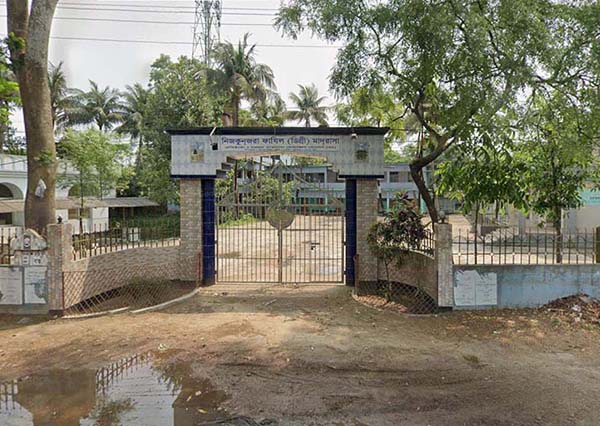
Nizkunjara Fazil Madrasha
Journey of NFM
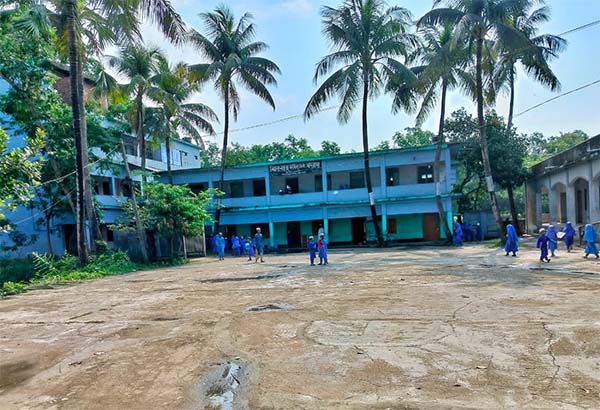
has started it's journey in the year 1919. Initially, the educational program started with a very small number of local students. Currently, there are about nine hundred students.

Our Vision
To provide a future-focused world-class international education, inspired by innovation and high quality teaching and learning, and a commitment to nurture both the heart and mind.

Our Mision
Institute Mission
In the early days of Islam, the Prophet Muhammad (PBUH) initiated madrasa education by establishing “Darul Arqam” at the foot of Safa Mountain in Mecca in 614 AD. This was the first madrasa in the history of the world whose first teacher was the Prophet (PBUH) himself. In continuation of this, after the migration of the Prophet (PBUH), the first residential madrasa “Suffa Madrasa” was established next to the Prophet’s Mosque in Medina. Where primary Islamic education was imparted. These two madrasas were the initial form of the madrasa education system.
Later, madrasa education spread widely during the Umayyad and Abbasid periods. Especially in the 11th century, with the establishment of “Nishapur” and “Nizamia Madrasa” by Nizamul Mulk in Baghdad, this system took an institutional form which became a model for the world. Where in addition to the Quran, Hadith, Fiqh, mathematics, logic, science, literature, etc. were taught. Students were provided with free accommodation, food and medical treatment. That is, both religious and secular knowledge was taught. Later, in continuation of this, high-quality madrasas were established in cities like Damascus, Cordoba, Samarkand, Herat.
In our Indian subcontinent, madrasa education started mainly in mosques during the Sultanate and Mughal periods, but later it expanded widely, where children were introduced to the Quran through reading. At that time, the madrasa of Maulana Taquddin Arabi of Mahisantosh was the oldest. In our region, Maulana Abu Tawama established a large madrasa in Sonargaon in 1278. During the Mughal period, subjects like science, mathematics, geography and astronomy were included in madrasa education. At that time, the curriculum of "Darseh Nizami" of Lucknow gained wide popularity.
The British government took various activities for the evolution and modernization of madrasa education. As the first initiative, Warren Hastings established the "Calcutta Aliya Madrasa" in 1780. Through which the institutional madrasa education program started in this subcontinent, which later expanded to Bangladesh. Later, the British government launched a project called "New Scheme" for the development of madrasa education.
After the partition of the Indian subcontinent in 1947, the Pakistan government took various initiatives for the development of madrasa education. One of which was the "Shamsul Haque Committee". During the Pakistan period, the "East Pakistan Madrasa Education Board" was formed and after the independence of Bangladesh, the Bangladesh Madrasa Education Board (BMEB) was formed and managed by it.
In the early 20th century, with the sincere cooperation of esteemed individuals who were socially philanthropists, passionate about religious education and far-sighted, the late Hazrat Maulana Moazzam Hossain (RA), a prominent Islamic personality of Nijkunjara village, established Nijkunjara Madrasa on 1 January 1919 with the aim of imparting religious education to the boys and girls of Nijkunjara and its surrounding areas, in the renowned Feni district of present-day Bangladesh, to acquire the Quran, Hadith, Islamic philosophy, language, literature, science, mathematics, geography, Islamic etiquette and practical skills. He also donated his land to establish the Madrasa. It was named after the name of the village. At the time of its establishment, it was known as "Nijkunjara Senior Madrasa" and classes were taught up to Dakhil. Later, it was upgraded to the Alim class and teaching activities up to the Alim class were started and the name of the madrasa was changed to "Nijkunjara Alim Madrasa". On January 6, 1939, it was recognized as Dakhil and Alim Madrasa. Later, on June 1, 1948, the madrasa was included in the MPO.
In the wake of the socio-economic conditions of the country after independence, the number of students in the madrasa decreased to a few in the late eighties of the twentieth century. At that time, Maulana Abul Khair Bhuiyan was given the responsibility of the Madrasa Superintendent to restore the lost glory of the madrasa. He took the responsibility and, with the cooperation and advice of prominent people of the village, went door to door with the committee members and requested the guardians to conduct activities to increase the number of students. As a result, the number of students increased rapidly and the madrasa regained its lost glory.
From the beginning of the 21st century, efforts were made to upgrade the madrasa to a Fadil and gradually a Kamil Madrasa. After a long journey, the madrasa finally started offering Fadil classes on 9 June 2018 with the approval of the “Islamic Arabic University” and the name of the madrasa was changed to “Nizkunjara Fadil (Degree) Madrasa”. Currently, the madrasa has about nine hundred students and 20 teachers and staff of various subjects. The madrasa celebrated its centenary in 2019. The madrasa is run under the careful supervision of a management committee consisting of prominent figures of the region and selected forty-four scholars, and currently the madrasa has become one of the best institutions in the region.
107
Years of Establish
Approved Dhakil on 06 January 1939
Approved Alim on 06 January 1939
Approved MPO on 01 June 1948
Approved Fazil on 09 June 1918
Mowlana Muazzam Hossain
Founder
NFM এর পথচলা
ইসলামের প্রাথমিক যুগে মহানবী হযরত মুহাম্মদ (সঃ)মক্কার সাফা পাহাড়ের পাদদেশে ৬১৪ খ্রিষ্টাব্দে “দারুল আরকাম” স্থাপনের মাধ্যমে মাদ্রাসা শিক্ষার সূচনা করেন। এটিই ছিল পৃথিবীর ইতিহাসে প্রথম মাদ্রাসা যার প্রথম শিক্ষক ছিলেন মহানবী (সঃ)স্বয়ং। এরই ধারাবাহিকতায় পরবর্তীতে মহানবী (সঃ)এর হিজরতের পর মদিনায় মসজিদে নববীর পাশে স্থাপিত হয় প্রথম আবাসিক মাদ্রাসা “সুফফা মাদ্রাসা”। যেখানে প্রাথমিক ইসলামি শিক্ষা দেওয়া হতো। এ মাদ্রাসা দুটি ছিল মাদ্রাসা শিক্ষা ব্যবস্থার প্রাথমিক রূপ।
পরবর্তীতে উমাইয়া ও আব্বাসীয় আমলে মাদ্রাসা শিক্ষার ব্যাপক বিস্তার ঘটে। বিশেষত একাদশ শতাব্দীতে বাগদাদে নিজামুল মুলকের “নিশাপুর” ও “নিজামিয়া মাদ্রাসা” প্রতিষ্ঠার মাধ্যমে এই ব্যবস্থা প্রাতিষ্ঠানিক রূপ পায় যা বিশ্বজুড়ে মডেল হয়ে ওঠে। যেখানে কুরআন, হাদিস, ফিকহ ছাড়াও গণিত, যুক্তিবিদ্যা, বিজ্ঞান, সাহিত্য ইত্যাদি শেখানো হতো। শিক্ষার্থীদের বিনামূল্যে থাকা-খাওয়া ও চিকিৎসা দেওয়া হতো। অর্থাৎ ধর্মীয় ও জাগতিক উভয় জ্ঞান শেখানো হতো। পরবর্তীতে এরই ধারাবাহিকতায় দামেস্ক, কর্ডোবা, সমরকন্দ, হেরাতের মতো শহরগুলোতে উন্নতমানের মাদ্রাসা গড়ে ওঠে।
আমাদের এ ভারতীয় উপমহাদেশে সুলতানী ও মোঘল আমলে মাদ্রাসা শিক্ষা মুলত মসজিদ কেন্দ্রীক শুরু হলেও পরবর্তীতে এর ব্যাপক প্রসার ঘটে, যেখানে শিশুদের হাতেখড়ি হতো কোরআন পাঠের মাধ্যমে। এ সময়ে মহীসন্তোষের মাওলানা তকিউদ্দীন আরাবির মাদ্রাসাটি ছিল প্রাচীনতম। আমাদের এ অঞ্চলে ১২৭৮ সালে সোনারগাঁওয়ে মাওলানা আবু তাওয়ামা একটি বড় মাদ্রাসা প্রতিষ্ঠা করেন। মোঘল আমলে মাদ্রাসা শিক্ষায় বিজ্ঞান, গণিত, ভূগোল ও জ্যোতির্বিদ্যার মতো বিষয়গুলো অন্তর্ভুক্ত করা হয়। সেই সময়ে লখনউয়ের “দরসে নিজামি” এর পাঠ্যক্রম ব্যাপক জনপ্রিয়তা পায়।
ব্রিটিশ সরকার মাদ্রাসা শিক্ষার বিবর্তন ও আধুনিকীকরণের বিভিন্ন কার্যক্রম গ্রহণ করে। প্রথম প্রদক্ষেপ হিসেবে ওয়ারেন হেস্টিংস ১৭৮০ সালে “কলকাতা আলিয়া মাদ্রাসা” প্রতিষ্ঠা করে। যার মাধ্যমে এ উপমহাদেশে প্রাতিষ্ঠানিক মাদ্রাসা শিক্ষা কার্যক্রম শুরু হয়, যা পরবর্তীতে বাংলাদেশেও বিস্তৃত হয়। পরবর্তীতে ব্রিটিশ সরকার মাদ্রাসা শিক্ষার উন্নয়নে ”নিউ স্কিম” নামে একটি প্রকল্প চালু করে।
১৯৪৭ সালে ভারতীয় উপমহাদেশ বিভক্ত হওয়ার পর পাকিস্তান সরকার মাদ্রাসা শিক্ষার উন্নয়নের জন্য বিভিন্ন প্রদক্ষেপ গ্রহণ করে। যার অন্যতম ছিল “শামসুল হক কমিটি”। পাকিস্তান আমলে "ইস্ট পাকিস্তান মাদ্রাসা এডুকেশন বোর্ড" গঠিত হয় এবং বাংলাদেশের স্বাধীনতা পরবর্তীতে ১৯৭৮ সালের অধ্যাদেশ অনুযায়ী বাংলাদেশ মাদ্রাসা শিক্ষা বোর্ড (BMEB) গঠন এর মাধ্যমে ও এর ব্যবস্থাপনায় আমাদের দেশে মাদ্রাসা শিক্ষা কার্যক্রম পরিচালিত হতে থাকে।
বিংশ শতাব্দীর শুরুর দিকে বর্তমান বাংলাদেশের প্রাণ খ্যাত ফেণী জেলার অন্তর্গত নিজকুঞ্জরা ও তার পার্শ্ববর্তী অঞ্চলের ছেলে-মেয়েদের কুরআন, হাদীস, ইসলামি দর্শন, ভাষা, সাহিত্য, বিজ্ঞান, গণিত, ভূগোল, ইসলামি আচার-ব্যবহার ও ব্যবহারিক দক্ষতা আয়ত্ব করার সর্বেোপরি ধর্মীয় শিক্ষা প্রসারের লক্ষ্যে সমাজ হিতৈষী, ধর্মীয় শিক্ষার প্রতি অনুরাগী এবং দূরদর্শী মেধাসম্পন্ন গন্যমান্য ব্যক্তিবর্গের আন্তরিক সহযোগীতায় নিজকুঞ্জরা গ্রামের কৃতি সন্তান সমাজ হিতৈষী, বিশিষ্ট ইসলামী ব্যক্তিত্ব মরহুম হযরত মাওলানা মোয়াজ্জম হোসেন (রহ) ০১ জানুয়ারী ১৯১৯ সালে নিজকুঞ্জরা মাদ্রাসা প্রতিষ্ঠা করেন। মাদ্রাসা প্রতিষ্ঠার জন্য তিনি তার ভূমিও ওয়াকফ করে দেন মাদ্রাসা নামে। গ্রামের নামের সাথে মিল রেখে এর নামকরণ করা হয় ৷ প্রতিষ্ঠালগ্নে এটি “নিজকুঞ্জরা সিনিয়র মাদ্রাসা” নামে পরিচিত ছিল এবং দাখিল পর্যন্ত পাঠদান করা হত ৷ পরে তা আলিম শ্রেণি পর্যন্ত উন্নীত করে আলিম শ্রেণি পর্যন্ত পাঠদান কার্যক্রম শুরু করা হয় এবং মাদ্রাসার নাম পরিবর্তন করে করা হয় “নিজকুঞ্জরা আলিম মাদ্রাসা”। ১৯৩৯ সালের ৬ জানুয়ারি দাখিল ও আলিম মাদ্রাসা হিসেবে স্বীকৃতি লাভ করে ৷ পরে ১৯৪৮ সালের ১ জুন মাদ্রাসাটি এমপিওভুক্ত হয় ৷
স্বাধীনতা পরবর্তী সময়ে দেশের আর্থ-সামাজিক অবস্থার পরিপ্রেক্ষিতে বিংশ শতাব্দীর আশির দশকের শেষের দিকে মাদ্রাসার ছাত্র সংখ্যা গুটি কতেকে নেমে আসে। তখন মাদ্রাসার হারানো গৌরব ফিরিয়ে আনার জন্য মাদ্রাসা সুপারের দায়িত্বি প্রদান করা হয় মাওলানা আবুল খায়ের ভূঁঞাকে। তিনি দায়িত্ব গ্রহণ করে গ্রামের বিশিষ্ট জনের সহযোগিতা ও পরামর্শ বাস্তবায়নের মাধ্যমে কমিটির সদস্যদের নিয়ে বাড়ি বাড়ি গিয়ে অভিভাবকদের অনুরোধ করে শিক্ষার্থী সংখ্যা বৃদ্ধির কার্যক্রম পরিচালনা করতে থাকেন। তারই ফলশ্রুতিতে শিক্ষার্থী সংখ্যা দ্রুত বৃদ্ধি প্রায় এবং মাদ্রাসা তার হারানো গৌরভ ফিরে পায়।
একবিংশ শতাব্দীর শুরুর দিক থেকে মাদ্রাসাটি ফাযিল এবং পর্যায়ক্রমে কামিল মাদ্রাসায় উন্নীতকরনণর প্রচেষ্টা শুরু হয়। দীর্ঘ পথ পাড়ি দিয়ে অবশেষে ০৯ জুন ২০১৮ সালে মাদ্রাসাটি “ইসলামী আরবী বিশ্ববিদ্যালয়” কর্তৃক অনুমোদন লাভের মধ্য দিয়ে ফাযিল শ্রেণির শিক্ষা কার্যক্রম শুরু করে এবং মাদ্রাসার নাম পরিবর্তন করে করা হয় “নিজকুঞ্জরা ফাযিল (ডিগ্রী)মাদ্রাসা”। বর্তমানে মাদ্রাসায় প্রায় নয় শতাধিক শিক্ষার্থী ও ২০ জন বিভিন্ন বিষয়ের শিক্ষক-কর্মচারী কর্মরত আছে। ২০১৯ সালে মাদ্রাসাটি তার জন্ম শতবার্ষিকী পালন করে। অত্র অঞ্চলের বিশিষ্ট ব্যক্তিবর্গ ও নির্বাচিত চৌকশ অভিভাবদের সমন্বয়ে গঠিত পরিচালনা কমিটির সুনিপুন তত্ত্বাধানে পরিচালিত হয়ে বর্তমানে মাদ্রাসাটি অত্র অঞ্চলের অন্যতম সেরা প্রতিষ্ঠানের আসন অলংকৃত করেছে।